
Popular articles
Recent discussions on forum
Supply chain data is a valuable asset for adding value to products such as coffee, cacao, timber, and beyond.
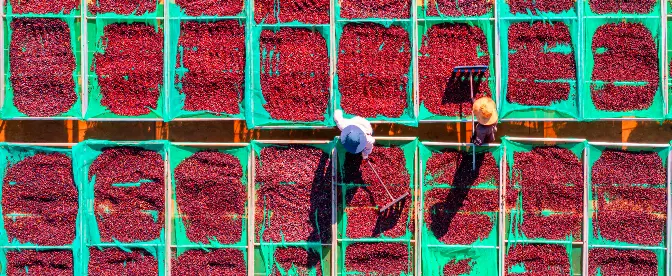


In today’s global markets, agricultural products are no longer judged solely on yield or commodity price. Instead, buyers, retailers, and consumers increasingly demand proof of quality, sustainability, and ethical sourcing. For products like coffee, timber, and cacao, this shift is transformational. At the heart of this transformation is supply chain data: the information that travels with a product from farm or forest to final sale.
Supply chain data is more than operational record-keeping. It is a strategic tool that improves decision-making, enhances market positioning, and unlocks new revenue streams. From soil sensors and weather forecasting to blockchain traceability and consumer-facing QR codes, data is elevating agricultural products beyond low-margin commodities into premium, trustworthy brands.
What is Supply Chain Data?
Essentially, supply chain data comprises all recorded information generated along the lifecycle of a product, from planting, harvesting, processing, transport, and storage to final sale. This includes:
When mapped and analysed, these data streams create visibility across the value chain. Companies can then optimise operations, reduce risk, verify claims, and communicate value.
Coffee: From Farm to Cup
Coffee is perhaps the most developed example of how supply chain data adds value. In a crowded global market where differentiated products command premiums, traceability and data transparency are powerful differentiators.
Precision Farming and Quality Optimization
At the farm level, data from soil sensors, weather records, and crop health monitoring tools enable better agronomic decisions. Farmers can optimise fertiliser and water use, anticipate pest outbreaks, and choose the best harvest windows. The result is more consistent quality and potentially higher cupping scores, which directly influence price.
Supply Chain Efficiency and Waste Reduction
Once cherries are harvested, supply chain data keeps the flow moving efficiently. Real-time logistics information minimises spoilage and ensures beans arrive at processing mills and roasters in prime condition. Predictive analytics also help roasters manage inventory to match demand, reducing costly overstock or shortages.
Traceability Breeds Trust
Traceability systems piece together every segment of the coffee chain from farm geolocation and processing methods to export records and certification statuses.
For roasters and brands, this data validates sustainability claims and differentiates products in the marketplace. Consumers can scan a QR code and learn the story behind their coffee which strengthens trust and can justify premium pricing.
Timber: Data That Safeguards Forests and Markets
Timber products, whether destined for flooring, furniture, or construction, face intense scrutiny for sustainability and legality. Illegal logging and deforestation have pushed governments, buyers, and consumers to demand robust proof of origin.
Chain-of-Custody and Compliance
Using detailed supply chain data, companies can demonstrate that harvested wood complies with regulations and sustainability standards.
Digital tracking systems record the movement of logs from forest of origin, through transport and milling, to finished goods. This verified chain of custody is essential for certifications like the Forest Stewardship Council (FSC) and to meet regulatory requirements in export markets.
Risk Management and Operational Insights
Timber sourcing spans vast geographies and multiple intermediaries. Data enables firms to spot bottlenecks, optimise routing, and maintain inventory visibility. More importantly, it highlights environmental risks, such as harvesting from areas with high deforestation risk, enabling proactive mitigation and maintaining market access.
Consumer Confidence and Premium Positioning
As with coffee, consumers are increasingly interested in the sustainability credentials of products in their homes. A timber brand that can share its forest management practices, trace harvest locations, and show independent verification of sustainable sourcing can command price premiums and win business with eco-conscious architects, designers, and homeowners.
Cacao: Enriching Origins Through Data
Cacao, the raw ingredient behind chocolate, is another commodity where traceability and supply chain data are reshaping value.
Sustainability and Market Access
Cacao supply chains are global and complex, often involving many smallholders. Detailed data is vital to prove compliance with sustainability criteria such as those required under evolving regulatory frameworks in Europe and North America. Pilot traceability programmes that map farm locations and record provenance documentation are already underway to ensure cacao exports remain competitive.
Ethical Sourcing and Consumer Engagement
Beyond compliance, brands that share how cacao farmers are paid, how environmental impacts are measured, and how communities are supported can elevate their products in the marketplace. Cacao that can demonstrate fair incomes, environmentally sound production, and minimal deforestation becomes more desirable to chocolates makers and consumers alike.
What About Other Commodities?
While coffee, timber, and cacao illustrate the potential of supply chain data, other products like rubber, palm oil, and cattle are also engaging with similar trends. Regulatory pressures such as the European Union’s deforestation-free regulations are incentivising better data capture and reporting across all these value chains. Even products with complex land-use challenges rely on traceability and data to maintain market access, manage risk, and strengthen credibility.
Data as an Asset, Not a Cost
Across agricultural commodities, supply chain data is no longer a backend technical function but a core business asset. It improves operational performance, strengthens compliance, enhances brand credibility, and unlocks premium pricing. For producers and brands willing to invest in data infrastructure and analytics, the payoff is visible not only in efficiencies but in value creation throughout the lifecycle of an agricultural product.
In an era where transparency and sustainability are integral to competitive advantage, supply chain data doesn’t just tell a story, it adds value beyond quality.
Sustainability Practices
About the author
Join me in discovering the wonderful world of coffee! As a writer, coffee is my fuel and newfound passion. I love writing about new coffees, sustainability, and coffee culture around the world. I'm always discovering new things about coffee and the industry, which I share with the great community here at Era Of We.
Recent discussions on forum
©2026SEWN Technology Solutions ABAll rights reserved
©2026 SEWN Technology Solutions AB All rights reserved