
Popular articles
Recent discussions on forum
Stronger relationships with farms benefit the entire supply chain. Find out how in this article.
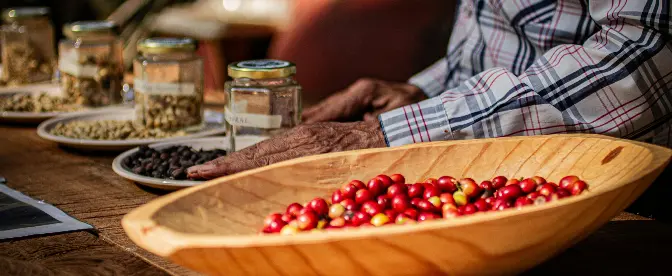


Coffee prices are at an all-time high, with rapid growth over the last few months. With surging prices, securing coffee trade is more important than ever. How can roasters and other coffee businesses ensure a steady supply of coffee despite fluctuations in price and global shipping disruptions?
Securing the coffee supply chain is vital, and it all starts at the source: building strong business ties with trusted farms and growers.
Why Are Coffee Prices Rising?
Adverse weather events and the effects of climate change have become persistent issues for coffee producers in the last few years. Adverse weather events such as extreme frost, unseasonal rain, drought, floods, and higher temperatures affect coffee yields, harvest schedules, and overall quality of the beans. To mitigate these effects, producers must invest in sustainability measures and contingency plans, which drive up the cost of coffee.
Supply chain disruptions directly affect coffee trade across the globe. Shipping route blockages, geopolitical tensions, port closures, and other logistical bottlenecks pose serious issues for coffee businesses as the free and timely movement of coffee trade is crucial.
Apart from shipping disruptions, widespread labour shortages also affect the price of coffee. Harvesting, processing, and moving coffee is highly labour intensive. Increasing labour costs directly affects the price of coffee.
Production costs have risen greatly in the last few years and directly contributed to rising coffee prices worldwide. The cost of materials such as fertiliser and pesticides, along with rising labour costs, have affected coffee farms and their production capacity. Investing in sustainable practices, while necessary, is also an additional cost for producers. This cost can be quite high for producers in developing countries.
The demand for coffee globally has been steadily increasing, particularly in emerging markets in Asia, Africa, and the Middle East. Countries with a growing middle class and rapid urbanisation such as Japan, India, Vietnam, and China are seeing increasing demand for coffee and coffee products, which has driven up the overall cost of coffee worldwide. The demand within producing countries is also increasing, which means fewer exports to markets in North America and Europe. These traditional coffee markets are also looking to purchase more coffee than ever before.
How Are High Prices Affecting Exports?
High coffee prices are creating significant challenges for exporters across producing countries. As prices rise, buyers become more cautious, often reducing purchase volumes or delaying contracts while waiting for market conditions to stabilise. This can make it difficult for exporters to accurately forecast demand and manage inventory.
Higher prices also increase financial pressure, as exporters require more working capital to secure coffee and fulfil contracts. At the same time, growing domestic consumption in producing countries means less coffee is available for export. Combined with supply chain disruptions, these factors have made coffee exports more complex, competitive, and costly than ever before.
How Strategic Partnerships Benefit the Coffee Supply Chain
As coffee prices hit all-time highs, the traditional approach of purchasing coffee as per market demands is becoming unsustainable. Fluctuating prices and growing demand has exposed the need to build secure and reliable supply chains. These price variations are here to stay, as they are caused by factors discussed above, and so it’s imperative that roasters and other coffee businesses adapt now.
In these uncertain times, working directly with producer farms and cooperatives has many clear advantages, including:
Making stronger connections with producers is a great start to building a resilient supply chain, but it also comes with challenges. Coordinating shipments, estimating quality, communication across different languages, logistics, etc, pose significant issues for trade between roasters and producers. Tech platforms such as Era of We help facilitate these necessary communications and bridge the gap between farm and shelf. Harnessing tech tools can empower coffee businesses to make the shift towards resilience, sustainability, and long-term growth.
Direct trade is also more than a cost-management strategy. It helps facilitate brand storytelling backed up by data. Consumers are increasingly interested in the story behind their coffee, and coffee businesses can tap into this interest if they have traceable and transparent supply chains. Strong relationships with producers are both a great storytelling device and a way to ensure stable quality and supply over time.
Withstanding volatile markets requires new levels of collaboration and cooperation along the coffee supply chain. Investing in long-term relationships with producers is a vital strategy along with building transparency, traceability, and prioritising communication and collaboration.
About the author
Join me in discovering the wonderful world of coffee! As a writer, coffee is my fuel and newfound passion. I love writing about new coffees, sustainability, and coffee culture around the world. I'm always discovering new things about coffee and the industry, which I share with the great community here at Era Of We.
Recent discussions on forum
©2026SEWN Technology Solutions ABAll rights reserved
©2026 SEWN Technology Solutions AB All rights reserved