
Popular articles
Recent discussions on forum
2026 is the year for ever-increasing levels of traceability for agricultural commodities.
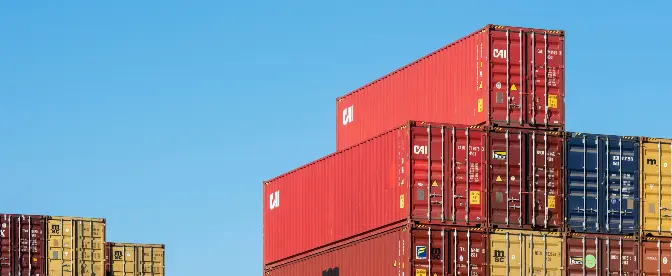


In 2026, traceability in agricultural supply chains is evolving from a niche operational function into a strategic imperative that drives sustainability, risk management, and consumer engagement.
Coffee and timber, for example, have complex global value chains and illustrate how traceability is reshaping the future of commodity markets. Across sectors, innovations in technology and a shift in stakeholder expectations are accelerating the transition to transparent, data-driven systems that offer visibility from source to shelf.
End-to-End Supply Chain Visibility
A defining traceability trend in 2026 is the growing adoption of integrated traceability systems that span entire supply networks. Historically, traceability solutions targeted specific product categories or stages of the supply chain. For example, coffee traceability initiatives might focus on green bean sourcing, while timber traceability is often centered on legal compliance at harvest points. Today, enterprises are breaking down these silos.
Modern traceability platforms are designed to capture, standardise, and share information across commodities within a unified ecosystem. This convergence reduces fragmentation and enables cross-departmental collaboration across procurement, quality, sustainability, and compliance teams. For multinational coffee roasters and timber conglomerates alike, end-to-end visibility means the ability to track a product from farm or forest through processing, transportation, storage, and distribution.
By collapsing data silos, traceability also enables broader operational insights such as yield optimisation and risk exposure across interconnected commodity pipelines. Historical data is also valuable and helps with optimisation across the supply chain.
Consumer-Facing Transparency
In 2026, consumer expectations for transparency are no longer aspirational; they are a baseline requirement. Retailers and brands are extending traceability beyond internal compliance to deliver real-time visibility to end consumers. Innovations such as QR codes and digital product passports are becoming standard features on packaging, giving shoppers the ability to scan a product and instantly trace its journey from farm or forest to store shelf.
For coffee, this means consumers can scan a bag of beans and access a digital profile detailing the farm, cooperative, altitude, harvest date, processing method, certifications (e.g., organic, fair trade), and even climate impact metrics. Similarly, timber products such as flooring, furniture, or construction materials now carry digital passports that reveal the forest of origin, harvest practices, chain-of-custody certificates, and sustainability grades.
This consumer-facing transparency enhances trust and empowers informed purchasing decisions. It also creates a competitive differentiator in markets where ethical and sustainable sourcing influences brand choice.
Data as a Cornerstone of Innovation
Data has always been fundamental to traceability, but in 2026, data’s role is both more central and more sophisticated. Advanced analytics are transforming raw supply chain data into actionable insights that drive strategic decision-making.
Investments in data governance are gaining prominence as well. As traceability ecosystems grow, companies are establishing robust policies to ensure data accuracy, privacy, and integrity. Traceability data is no longer a byproduct of operations; it is a strategic asset that informs sustainability reporting, regulatory compliance, and competitive advantage.
Sustainability, Traceability, and Transparency
In 2026, sustainability considerations are tightly interwoven with traceability expectations. Consumers, investors, regulators, and civil society are demanding credible evidence that agricultural commodities are produced in ways that protect ecosystems, respect human rights, and contribute positively to local communities. Traceability systems provide that evidence.
For coffee, traceability helps trace and mitigate environmental impacts such as deforestation, water usage, and carbon emissions. It also facilitates social audits and ensures that premiums from speciality markets reach smallholder farmers. In the timber sector, credible traceability is essential to demonstrating compliance with anti-deforestation mandates and sustainable forest management certifications such as the Forest Stewardship Council (FSC) or the Programme for the Endorsement of Forest Certification(PEFC).
Companies that can quantify and transparently communicate their sustainability performance are realising reputational and financial benefits, including access to sustainability-linked financing.
Conclusion
Traceability in 2026 is more than a compliance mechanism. It is a strategic enabler of supply chain resilience, consumer trust, and sustainability performance—especially in complex agricultural value chains such as coffee and timber. With integrated systems that offer end-to-end visibility, consumer-facing transparency tools, advanced data analytics, and a stronger focus on sustainability outcomes, traceability is redefining how commodities are sourced, processed, and perceived in global markets.
As companies continue to invest in traceability innovation, the benefits will extend beyond operational efficiencies to create value for producers, brands, consumers, and the planet.
Sustainability Practices
About the author
Join me in discovering the wonderful world of coffee! As a writer, coffee is my fuel and newfound passion. I love writing about new coffees, sustainability, and coffee culture around the world. I'm always discovering new things about coffee and the industry, which I share with the great community here at Era Of We.
Recent discussions on forum
©2026SEWN Technology Solutions ABAll rights reserved
©2026 SEWN Technology Solutions AB All rights reserved